Inside Outside

Interior Design

Interior Design

From Empty Rooms to Elegant Homes: The Power of Interior Design

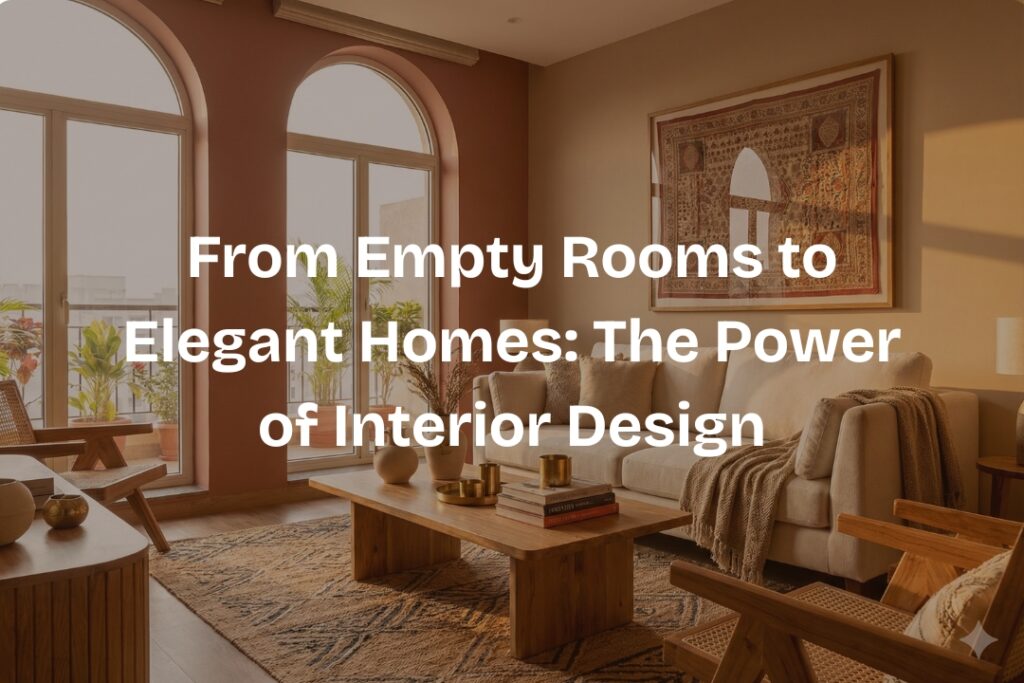
An empty room is full of possibilities. Bare walls, open floors, and silent corners may seem lifeless at first glance, but with the right interior design, these spaces can be transformed into elegant homes filled with comfort, personality, and purpose. Interior design is not just about decoration—it is about creating environments that support lifestyles, express emotions, and enhance everyday living. In today’s fast-paced world, homes have become more than just shelters. They are places to relax, work, celebrate, and connect with loved ones. This is where the power of interior design truly shines. Understanding the Essence of Interior Design Interior design is the art and science of enhancing the interior of a space to achieve a healthier and more aesthetically pleasing environment. It combines creativity, technical knowledge, and practical planning to balance beauty and functionality. A well-designed interior considers: Space planning and layout Lighting and ventilation Color psychology Furniture selection Materials and textures Lifestyle and personal taste Every design decision contributes to how a space feels and functions. A thoughtfully designed home improves comfort, efficiency, and overall well-being. From Blank Canvas to Beautiful Reality Empty rooms are like blank canvases waiting for a story. Interior design gives that story a voice. When professionals approach an empty space, they visualize: How people will move and interact within the room How natural and artificial light will flow How each area will serve a specific purpose Through careful planning, even the smallest room can feel spacious, and large rooms can feel warm and inviting. The transformation from emptiness to elegance lies in intelligent design choices. The Role of Layout and Space Planning One of the strongest elements of interior design is space planning. Poor layout can make even a beautiful room feel uncomfortable, while a smart layout can make a simple space feel luxurious. Effective space planning: Maximizes usable area Improves movement and flow Creates functional zones Reduces clutter Whether it is an open-plan living room or a compact apartment, proper planning ensures every square foot serves a purpose. Color: The Silent Influencer Colors have a powerful impact on mood and perception. Interior design uses color psychology to shape emotions and atmosphere. For example: Light colors create openness and calm Warm tones bring comfort and energy Neutral shades add elegance and balance Bold accents add character and depth The right color palette can transform an empty room into a cozy retreat or a vibrant social space. Lighting: Bringing Spaces to Life Lighting is often underestimated, yet it plays a vital role in interior design. A well-lit home feels welcoming, safe, and visually appealing. Interior design focuses on layered lighting: Ambient lighting for overall brightness Task lighting for work areas Accent lighting to highlight features Natural light is equally important. Proper window placement, curtains, and reflective surfaces help brighten interiors and reduce energy use. Furniture: Where Comfort Meets Style Furniture defines how a space is used. The right furniture selection balances comfort, scale, and aesthetics. Interior designers carefully choose: Proportional furniture sizes Ergonomic designs Multi-functional pieces Styles that match the overall theme From minimalist sofas to customized storage units, furniture turns empty rooms into livable spaces. Textures and Materials: Adding Depth and Character Texture gives interiors a sensory experience. Mixing materials such as wood, metal, fabric, stone, and glass creates visual interest and warmth. A combination of smooth and rough textures: Prevents spaces from feeling flat Adds luxury and richness Enhances durability Interior design ensures harmony between materials so the space feels cohesive rather than chaotic. Personalization: Making a House a Home True elegance comes from personalization. Interior design reflects the personality, culture, and lifestyle of the homeowner. Personal touches include: Customized furniture Artwork and décor Family photos Cultural elements These details transform a designed house into a meaningful home. Functional Elegance for Modern Living Modern interior design emphasizes functionality as much as beauty. Smart storage solutions, modular furniture, and multi-purpose spaces help maintain organization and simplicity. Functional design: Saves time and effort Enhances daily comfort Adapts to changing needs An elegant home is one that works effortlessly for its residents. Interior Design and Emotional Well-being A well-designed home positively affects mental and emotional health. Clean layouts, natural light, calming colors, and organized spaces reduce stress and promote relaxation. Interior design helps create: Peaceful bedrooms Productive workspaces Welcoming living areas When spaces align with emotional needs, everyday life becomes more balanced and enjoyable. The Value of Professional Interior Design Professional interior designers bring experience, creativity, and technical expertise. They help avoid costly mistakes, manage budgets, and ensure high-quality results. Benefits include: Better space utilization Access to quality materials Customized solutions Long-term value Professional design turns ideas into reality with precision and style. Conclusion: The True Power of Interior Design From empty rooms to elegant homes, interior design has the power to transform spaces and lives. It shapes how we live, feel, and connect within our environments. More than decoration, it is a thoughtful process that blends beauty, comfort, and function. An empty room is just the beginning. With the right design vision, it can become a place filled with warmth, elegance, and meaning—a true reflection of the people who call it home. Key Elements of Powerful Interior Design Design Element Purpose Impact on Home Space Planning Efficient use of available space Improves comfort and flow Color Selection Creates mood and visual harmony Enhances elegance and warmth Lighting Design Balances natural and artificial light Makes spaces lively and welcoming Furniture Design Supports function and aesthetics Adds comfort and style Materials & Textures Adds depth and durability Creates a premium feel Ready to Transform Your Space? ✔️ Book a FREE Interior Design Consultation✔️ Get Customized Design Solutions for Your Home or Office✔️ Affordable, Modern & Elegant Interior Services 👉 Contact us today and turn your empty rooms into elegant, functional, and beautiful homes.
Interior Design

The Beauty of Veneers: Their Use and Role in Modern Interior Design

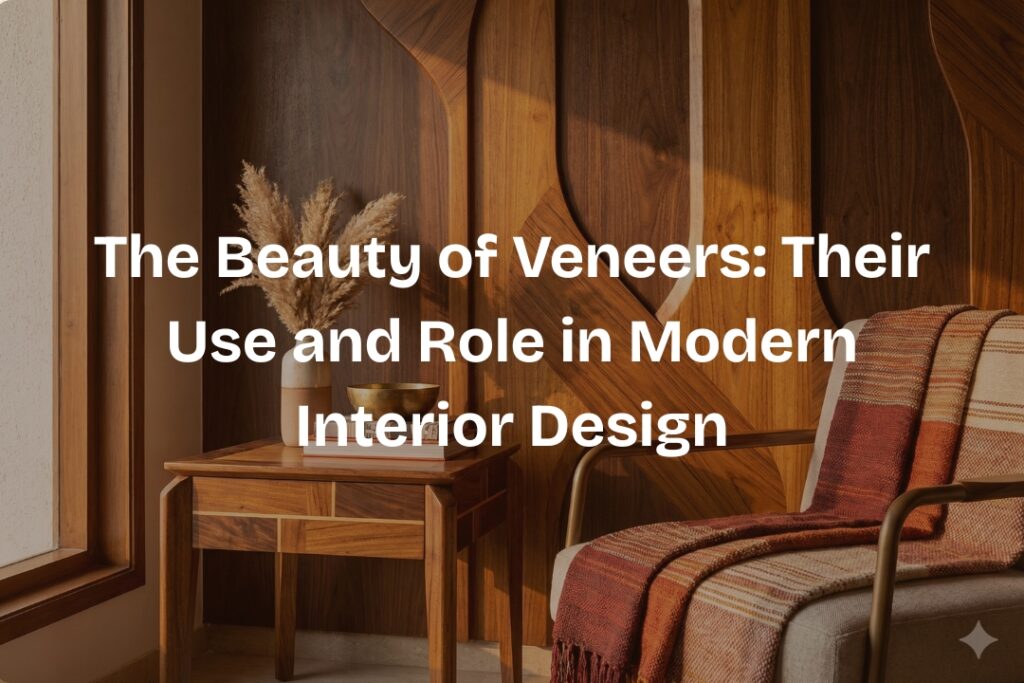
In the world of modern interior design, veneers have emerged as one of the most versatile and elegant materials. They combine the natural beauty of wood with practicality, affordability, and sustainability. From luxurious homes to stylish commercial spaces, veneers play a vital role in shaping contemporary interiors. What Are Veneers? Veneers are thin slices of natural wood, usually ranging from 0.5 mm to 3 mm in thickness, which are bonded onto surfaces such as plywood, MDF, particle board, or block board. They provide the appearance of solid wood while using significantly less natural timber, making them an eco-friendly interior solution. Why Veneers Are Popular in Modern Interior Design Modern interiors demand materials that are stylish, durable, and adaptable. Veneers perfectly meet these requirements. Natural Aesthetic Appeal  Veneers retain the authentic grain, texture, and warmth of real wood. Each sheet is unique, adding character and richness to interiors that synthetic materials often fail to achieve. Cost-Effective Luxury  Compared to solid wood, veneers offer a premium look at a much lower cost. This makes them ideal for homeowners and designers who want luxury interiors without exceeding budget limits. Design Versatility  Veneers are available in a wide range of wood species such as teak, oak, walnut, ash, maple, and rosewood. They also come in different cuts like crown cut, quarter cut, and rotary cut, allowing designers to experiment with patterns and styles. Eco-Friendly Choice  Since veneers use less wood than solid timber, they help conserve forests. Many manufacturers also follow sustainable sourcing practices, making veneers a responsible choice for modern interiors. Uses of Veneers in Interior Design Veneers are extremely versatile and can be used across various interior elements. Furniture Design  Veneers are widely used in wardrobes, beds, cabinets, TV units, dining tables, and office furniture. They enhance furniture with a refined finish while maintaining durability. Wall Paneling and Feature Walls  Veneer-clad walls create stunning accent features in living rooms, bedrooms, lobbies, and offices. They add warmth, depth, and a premium feel to any space. Doors and Partitions  Veneers are commonly used for main doors, bedroom doors, and office partitions, offering elegance along with strength. Ceilings and Decorative Elements  In modern interiors, veneers are also used for ceiling panels, columns, and decorative panels to create a cohesive and sophisticated design language. Veneers vs Laminates While laminates are budget-friendly and easy to maintain, veneers stand out for their natural look and premium appeal. Veneers can be polished, re-polished, and repaired, whereas laminates cannot be restored once damaged. For clients seeking authenticity and timeless beauty, veneers are often the preferred choice. Finishes That Enhance Veneer Beauty Veneers can be finished in multiple ways to suit different interior styles: • Matte finish for a subtle, contemporary look  • Gloss finish for a luxurious, reflective appearance  • PU polish for durability and smooth texture  • Natural oil finish for highlighting wood grain   Maintenance and Care Veneers are easy to maintain with proper care. Regular dusting, avoiding excessive moisture, and using mild cleaners help preserve their beauty for years. With proper polishing and maintenance, veneer surfaces age gracefully. Role of Veneers in Modern Interior Trends In today’s design trends, veneers align perfectly with minimalism, biophilic design, and sustainable living. Designers increasingly prefer natural materials that create calm, warm, and welcoming spaces. Veneers help achieve this balance by blending nature with modern functionality. Conclusion The beauty of veneers lies in their ability to transform spaces with elegance, warmth, and sophistication. Their wide range of applications, eco-friendly nature, and luxurious appearance make them a cornerstone of modern interior design. Whether used in furniture, walls, or decorative elements, veneers offer timeless appeal that enhances both residential and commercial interiors. If you are looking to create stylish, sustainable, and premium interiors, veneers are undoubtedly a smart and beautiful choice.

Interior Design

Why Choose Laminate Flooring for Your Home or Office?

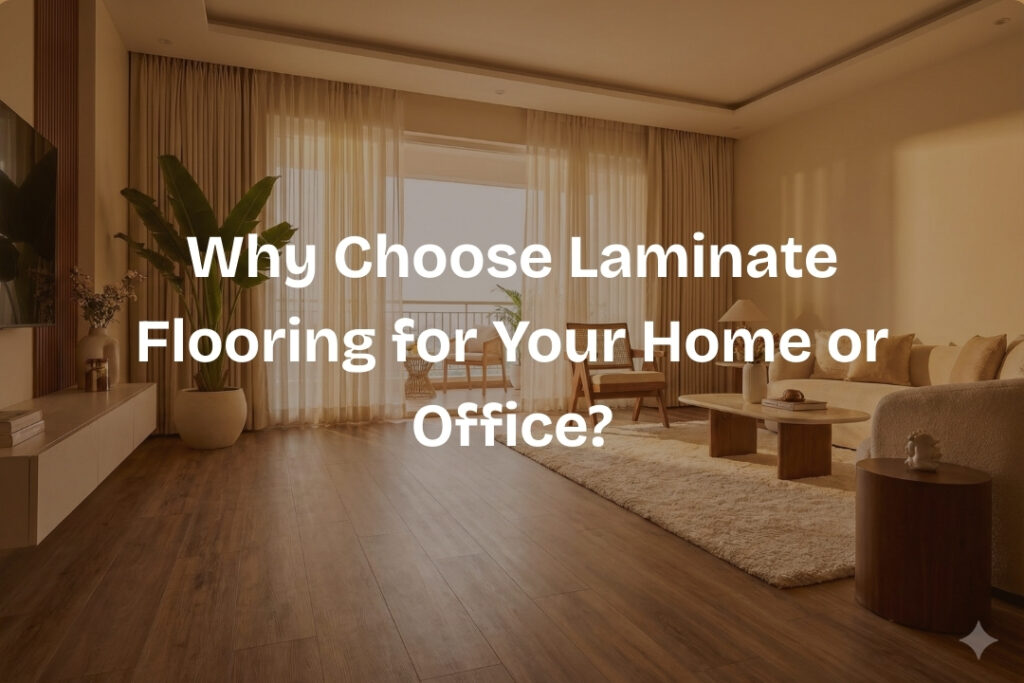
Choosing the Right Flooring Choosing the right flooring is one of the most important decisions when designing or renovating a home or office. Flooring not only impacts the overall appearance of a space but also affects comfort, durability, maintenance, and long-term cost. Among the many flooring options available today, laminate flooring has gained immense popularity for both residential and commercial interiors. Its stylish appearance, affordability, and practicality make it a preferred choice for modern lifestyles. What Is Laminate Flooring? Laminate flooring is a multi-layer synthetic flooring product designed to replicate the look of natural materials such as wood, stone, or tiles. It consists of four main layers: a wear layer for protection, a decorative layer that gives the design, a core layer for stability, and a backing layer for moisture resistance. This advanced construction makes laminate flooring strong, durable, and visually appealing. Why Laminate Flooring Is a Smart Choice Laminate flooring offers a perfect balance of aesthetics and performance, making it suitable for homes as well as offices. Elegant Look at an Affordable Price One of the biggest reasons people choose laminate flooring is its ability to mimic the appearance of hardwood or stone at a fraction of the cost. You can achieve a premium and modern look without stretching your budget. Wide Range of Designs and Finishes Laminate flooring is available in a vast variety of colors, textures, and patterns. From classic wooden finishes to contemporary stone and tile looks, laminate flooring easily matches different interior styles such as modern, minimal, traditional, or industrial. High Durability and Strength Laminate flooring is designed to withstand daily wear and tear. Its protective top layer makes it resistant to scratches, stains, and impact, which is especially important for high-traffic areas like living rooms, offices, corridors, and commercial spaces. Low Maintenance and Easy Cleaning Unlike natural wood flooring, laminate flooring does not require polishing or special treatments. Regular sweeping and occasional mopping are enough to keep it clean and fresh. This makes it an excellent choice for busy households and offices. Quick and Easy Installation Laminate flooring uses a click-lock installation system, allowing faster installation without the need for nails or adhesives. This reduces labor cost and makes it possible to complete projects quickly with minimal disruption. Suitable for Homes and Offices Laminate flooring adapts well to different environments and usage needs. Laminate Flooring for Homes In residential spaces, laminate flooring works beautifully in living rooms, bedrooms, dining areas, and even kitchens. It adds warmth and elegance while remaining practical for everyday use. Families with children and pets especially benefit from its scratch-resistant and easy-to-clean surface. Laminate Flooring for Offices and Commercial Spaces In offices, retail stores, hotels, and showrooms, laminate flooring offers a professional and stylish appearance. It can handle heavy foot traffic while maintaining its look over time, making it a cost-effective solution for commercial interiors. Moisture and Heat Resistance Modern laminate flooring comes with moisture-resistant cores, making it suitable for areas with moderate humidity. Some laminate floors are also compatible with underfloor heating systems, adding comfort without compromising durability. Eco-Friendly Flooring Option Laminate flooring is considered an environmentally responsible choice as it uses less natural wood compared to solid hardwood flooring. Many manufacturers follow sustainable production practices, making laminate flooring a smart option for eco-conscious consumers. Laminate Flooring vs Other Flooring Options Compared to tiles, laminate flooring feels warmer and more comfortable underfoot. Unlike carpets, it does not trap dust and allergens, making it easier to maintain hygiene. When compared to solid wood flooring, laminate flooring offers similar aesthetics with higher resistance to moisture and lower maintenance requirements. Cost-Effective Long-Term Investment Laminate flooring not only saves money during installation but also reduces long-term maintenance costs. Its durability ensures a longer lifespan, making it a value-for-money flooring solution for both homes and offices. Current Trends in Laminate Flooring Modern interior design trends favor natural textures, minimal designs, and practical materials. Laminate flooring aligns perfectly with these trends by offering realistic wood grains, matte finishes, and wide planks that enhance the visual appeal of any space. Conclusion Laminate flooring is an ideal choice for those seeking style, durability, and affordability in one complete package. Whether you are designing a cozy home or a functional office space, laminate flooring provides a modern, elegant, and practical solution. With its wide design options, easy maintenance, and long-lasting performance, laminate flooring continues to be one of the most popular flooring choices in contemporary interior design. If you are looking for a flooring solution that combines beauty with functionality, laminate flooring is undoubtedly worth considering.

Interior Design

How to Maintain Floors, Carpets & Veneers After the Festive Rush

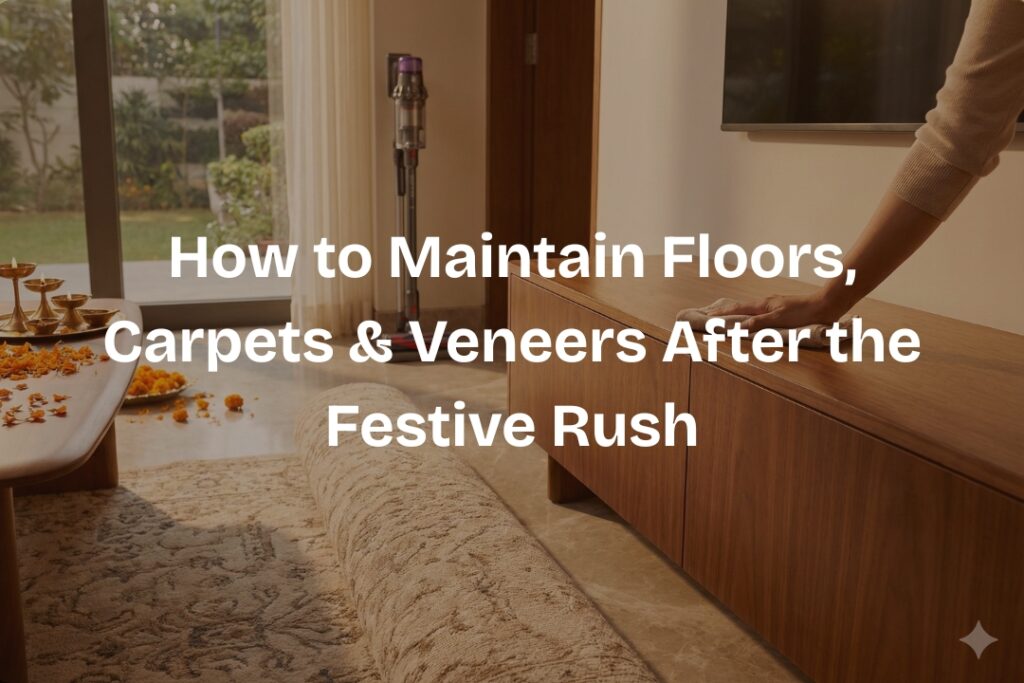
The festive season brings joy, colour, and togetherness, but it also brings foot traffic, accidental spills, and endless glitter. Once the celebrations end, your interiors deserve some much-needed attention. Whether it’s your wooden flooring, plush carpets, or veneered finishes, post-festive maintenance is key to keeping your space fresh, elegant, and long-lasting. Here are five practical, design-expert-approved tips to help you revive your home or workspace after the festive rush. 1. Begin with a Gentle Clean-Up Start simple, remove surface dust and debris before moving to deeper cleaning. Floors: Use a microfiber mop or a soft vacuum brush to collect fine dust without scratching. Carpets: Vacuum thoroughly, especially under furniture and corners. A hand-held vacuum helps with tight spaces. Veneers: Wipe with a clean, slightly damp microfiber cloth; avoid using harsh chemicals or excess water that can damage the finish. Pro Tip: Always move in the direction of the grain when wiping veneer surfaces for a streak-free shine. 2. Tackle Spills and Stains Quickly Festive treats often leave behind stains from sweets, oils, or drinks. Floors: Use a pH-neutral floor cleaner suited to your flooring type, especially for wooden, vinyl, or laminate finishes. Carpets: Blot spills immediately (don’t rub!) and use a mild carpet shampoo or baking soda paste for deep stains. Veneers: Quickly wipe off spills to prevent discoloration. Avoid alcohol-based cleaners, which can dull the polish. Pro Tip: Keep a small “spill kit” ready with microfiber cloths, baking soda, and a neutral cleaner for emergencies. 3. Deodorise and Refresh Naturally After days of festivities, lingering food or incense smells can dull your interiors. Freshen up naturally: Sprinkle baking soda over carpets, leave for 30 minutes, and vacuum. Mop hard floors with water infused with essential oils like lemon, eucalyptus, or lavender for a fresh, clean scent. This not only revives your space but also adds a subtle, welcoming aroma. 4. Restore Shine with Polishing and Conditioning To bring back that “new-home” glow: Wooden or laminate floors: Use a gentle polish once every few months to maintain lustre and protect the surface. Veneers: Apply a thin coat of wood conditioner or polish designed for natural finishes. Carpets: Schedule a professional deep clean or steam wash every few months for hygiene and softness. Pro Tip: Always test polishes and cleaners on a small patch before applying to larger areas. 5. Prevent Future Damage Maintenance is much easier when prevention is part of your routine. Place rugs or mats near entrances to trap dust and moisture. Add furniture pads to prevent scratches on flooring. Use curtains or blinds to protect veneers and wooden finishes from sun damage. Simple habits go a long way in preserving the longevity and beauty of your interiors. Final Thoughts The post-festive clean-up doesn’t have to feel like a chore. With a few mindful steps, you can restore the warmth, texture, and elegance of your home or workspace. At Inside Outside, we believe that great design deserves great care. Whether it’s our flooring, veneers, carpets, or wall finishes, the right maintenance helps them stay timeless and stunning, just like the memories you’ve created this festive season.

Scroll to Top