
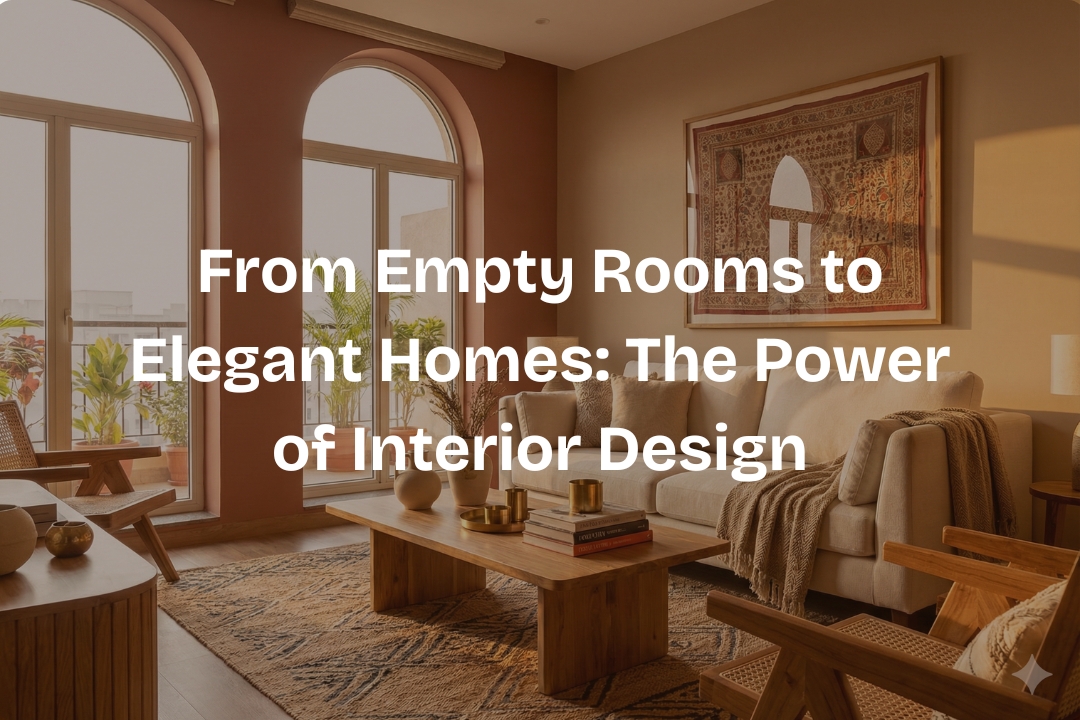
An empty room is full of possibilities. Bare walls, open floors, and silent corners may seem lifeless at first glance, but with the right interior design, these spaces can be transformed into elegant homes filled with comfort, personality, and purpose. Interior design is not just about decoration—it is about creating environments that support lifestyles, express emotions, and enhance everyday living.
In today’s fast-paced world, homes have become more than just shelters. They are places to relax, work, celebrate, and connect with loved ones. This is where the power of interior design truly shines.
Understanding the Essence of Interior Design
Interior design is the art and science of enhancing the interior of a space to achieve a healthier and more aesthetically pleasing environment. It combines creativity, technical knowledge, and practical planning to balance beauty and functionality.
A well-designed interior considers:
-
Space planning and layout
-
Lighting and ventilation
-
Color psychology
-
Furniture selection
-
Materials and textures
-
Lifestyle and personal taste
Every design decision contributes to how a space feels and functions. A thoughtfully designed home improves comfort, efficiency, and overall well-being.
From Blank Canvas to Beautiful Reality
Empty rooms are like blank canvases waiting for a story. Interior design gives that story a voice.
When professionals approach an empty space, they visualize:
-
How people will move and interact within the room
-
How natural and artificial light will flow
-
How each area will serve a specific purpose
Through careful planning, even the smallest room can feel spacious, and large rooms can feel warm and inviting. The transformation from emptiness to elegance lies in intelligent design choices.
The Role of Layout and Space Planning
One of the strongest elements of interior design is space planning. Poor layout can make even a beautiful room feel uncomfortable, while a smart layout can make a simple space feel luxurious.
Effective space planning:
-
Maximizes usable area
-
Improves movement and flow
-
Creates functional zones
-
Reduces clutter
Whether it is an open-plan living room or a compact apartment, proper planning ensures every square foot serves a purpose.
Color: The Silent Influencer
Colors have a powerful impact on mood and perception. Interior design uses color psychology to shape emotions and atmosphere.
For example:
-
Light colors create openness and calm
-
Warm tones bring comfort and energy
-
Neutral shades add elegance and balance
-
Bold accents add character and depth
The right color palette can transform an empty room into a cozy retreat or a vibrant social space.
Lighting: Bringing Spaces to Life
Lighting is often underestimated, yet it plays a vital role in interior design. A well-lit home feels welcoming, safe, and visually appealing.
Interior design focuses on layered lighting:
-
Ambient lighting for overall brightness
-
Task lighting for work areas
-
Accent lighting to highlight features
Natural light is equally important. Proper window placement, curtains, and reflective surfaces help brighten interiors and reduce energy use.
Furniture: Where Comfort Meets Style
Furniture defines how a space is used. The right furniture selection balances comfort, scale, and aesthetics.
Interior designers carefully choose:
-
Proportional furniture sizes
-
Ergonomic designs
-
Multi-functional pieces
-
Styles that match the overall theme
From minimalist sofas to customized storage units, furniture turns empty rooms into livable spaces.
Textures and Materials: Adding Depth and Character
Texture gives interiors a sensory experience. Mixing materials such as wood, metal, fabric, stone, and glass creates visual interest and warmth.
A combination of smooth and rough textures:
-
Prevents spaces from feeling flat
-
Adds luxury and richness
-
Enhances durability
Interior design ensures harmony between materials so the space feels cohesive rather than chaotic.
Personalization: Making a House a Home
True elegance comes from personalization. Interior design reflects the personality, culture, and lifestyle of the homeowner.
Personal touches include:
-
Customized furniture
-
Artwork and décor
-
Family photos
-
Cultural elements
These details transform a designed house into a meaningful home.
Functional Elegance for Modern Living
Modern interior design emphasizes functionality as much as beauty. Smart storage solutions, modular furniture, and multi-purpose spaces help maintain organization and simplicity.
Functional design:
-
Saves time and effort
-
Enhances daily comfort
-
Adapts to changing needs
An elegant home is one that works effortlessly for its residents.
Interior Design and Emotional Well-being
A well-designed home positively affects mental and emotional health. Clean layouts, natural light, calming colors, and organized spaces reduce stress and promote relaxation.
Interior design helps create:
-
Peaceful bedrooms
-
Productive workspaces
-
Welcoming living areas
When spaces align with emotional needs, everyday life becomes more balanced and enjoyable.
The Value of Professional Interior Design
Professional interior designers bring experience, creativity, and technical expertise. They help avoid costly mistakes, manage budgets, and ensure high-quality results.
Benefits include:
-
Better space utilization
-
Access to quality materials
-
Customized solutions
-
Long-term value
Professional design turns ideas into reality with precision and style.
Conclusion: The True Power of Interior Design
From empty rooms to elegant homes, interior design has the power to transform spaces and lives. It shapes how we live, feel, and connect within our environments. More than decoration, it is a thoughtful process that blends beauty, comfort, and function.
An empty room is just the beginning. With the right design vision, it can become a place filled with warmth, elegance, and meaning—a true reflection of the people who call it home.
Key Elements of Powerful Interior Design
| Design Element | Purpose | Impact on Home |
|---|---|---|
| Space Planning | Efficient use of available space | Improves comfort and flow |
| Color Selection | Creates mood and visual harmony | Enhances elegance and warmth |
| Lighting Design | Balances natural and artificial light | Makes spaces lively and welcoming |
| Furniture Design | Supports function and aesthetics | Adds comfort and style |
| Materials & Textures | Adds depth and durability | Creates a premium feel |
Ready to Transform Your Space?
✔️ Book a FREE Interior Design Consultation
✔️ Get Customized Design Solutions for Your Home or Office
✔️ Affordable, Modern & Elegant Interior Services
👉 Contact us today and turn your empty rooms into elegant, functional, and beautiful homes.